-
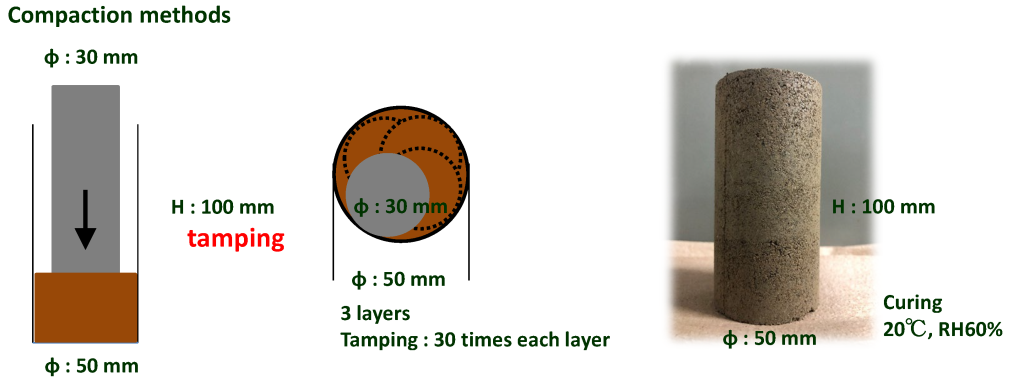
Dr. Oh’s paper on the mechanical properties of soil building materials based on the consolidation-compaction system was published in “Powders”
In order to create building materials and structures made of compacted soil for use as housing for refugees, we are investigating more efficient material sys... -
呉先生の圧密粉体系の土質建材の力学特性に関する論文がPowdersで公開されました
難民用住居としての圧密土による建材,構造物をつくる上で,粒子間力を高める各要因の影響を定量的に明らかにすることで、より効率的な材料システムの検討を実施してい... -
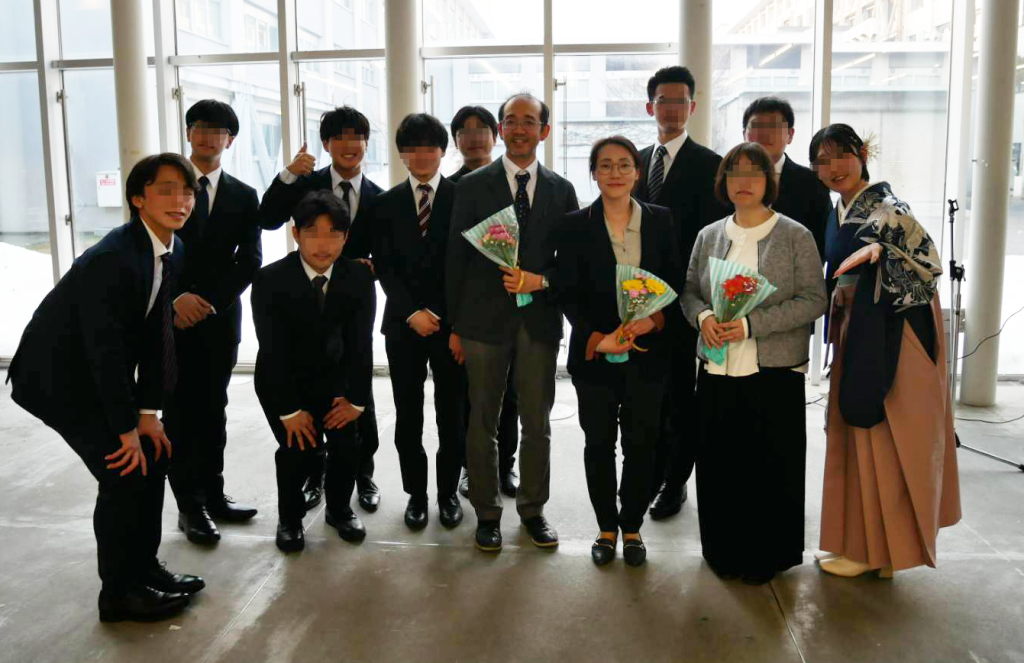
みなさん卒業おめでとうございます!
今年は多かったなー。おめでとう! 工学部正面玄関が混んでたのでグループ1との写真 グループ2。かぶっているのもいますね。 -
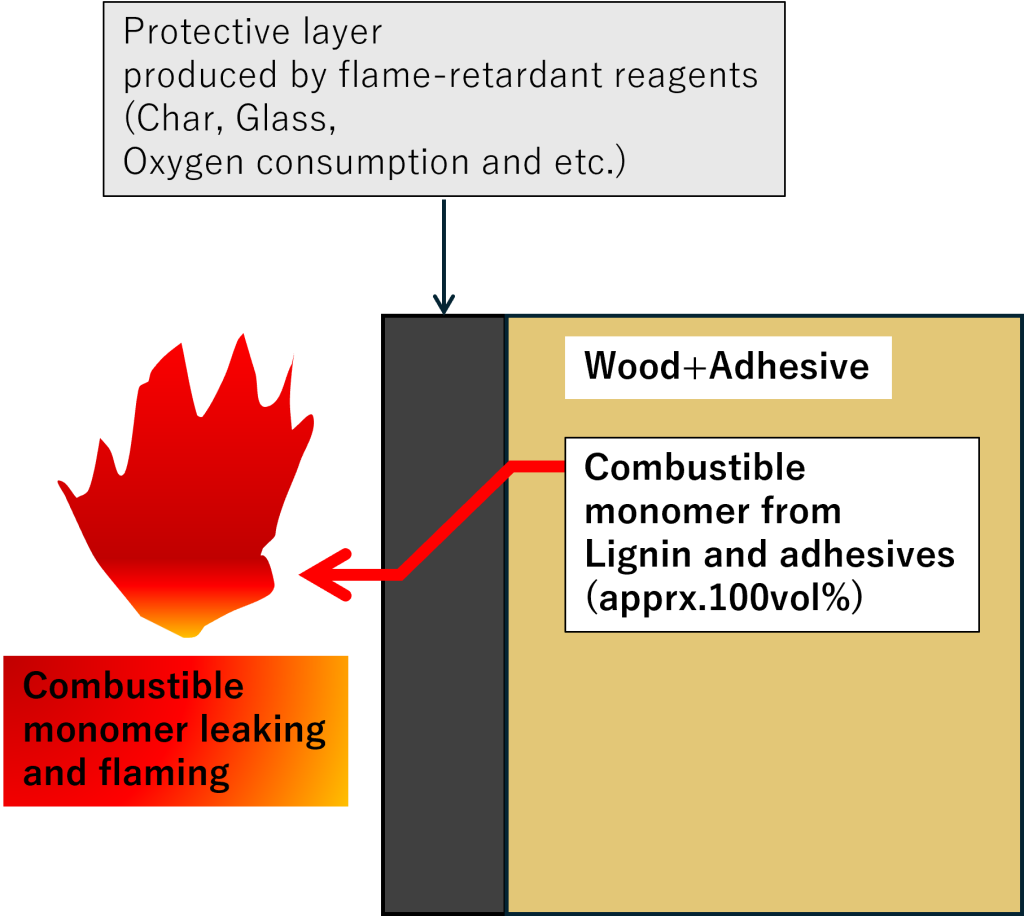
なぜ,頑張っても集成材に不燃性が付与できないか。多分新しいアプローチが必要である。
近年,構造用集成材の大型化が進みつつあり,大空間や高層建築への利用が期待される。その中で課題となるのが不燃性の獲得である。これまでの技術開発の経緯からも,被... -
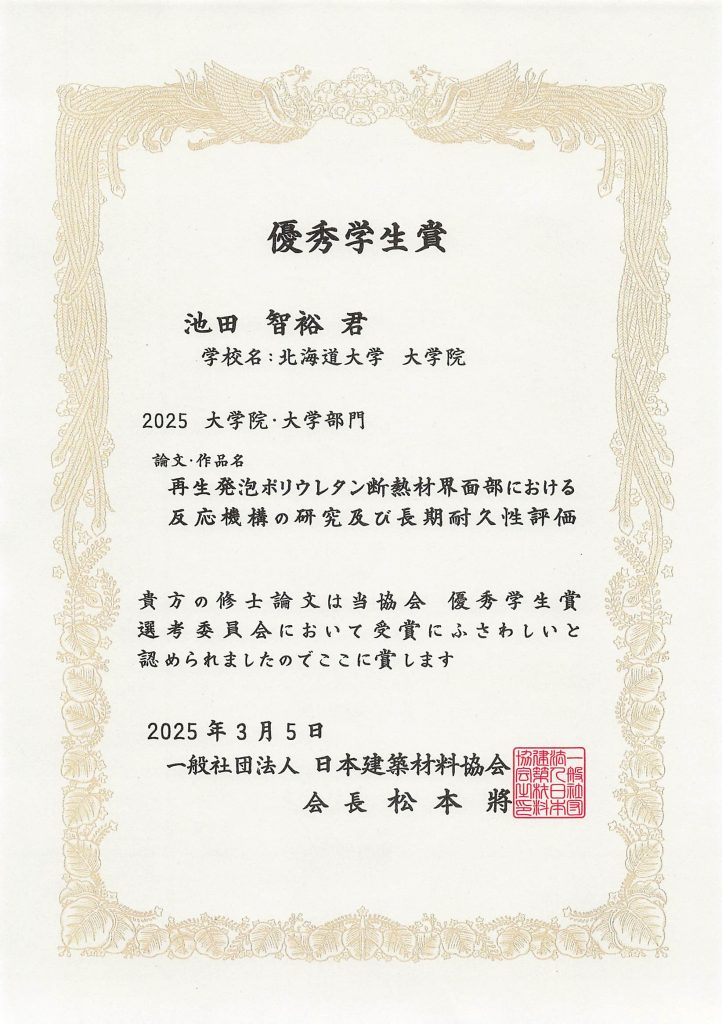
池田智裕君が日本建築材料協会 優秀学生賞をいただきました
池田君おめでとうございます! -
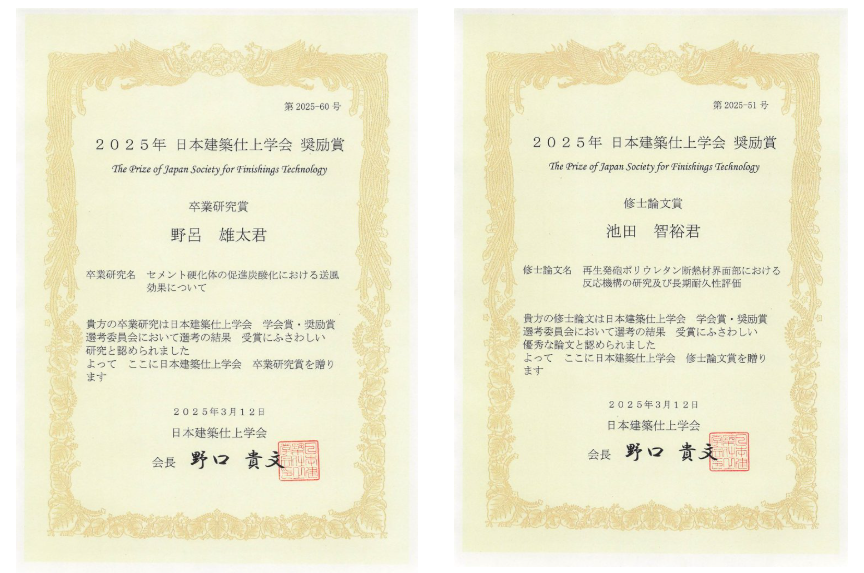
池田智裕君,野呂雄太君が,日本建築仕上学会 奨励賞をいただきました
池田君は発泡ポリウレタンの再生成型体の合成に関する研究,野呂くんはセメント硬化体の促進炭酸化における送風効果に関する研究です。おめでとうございます。 -
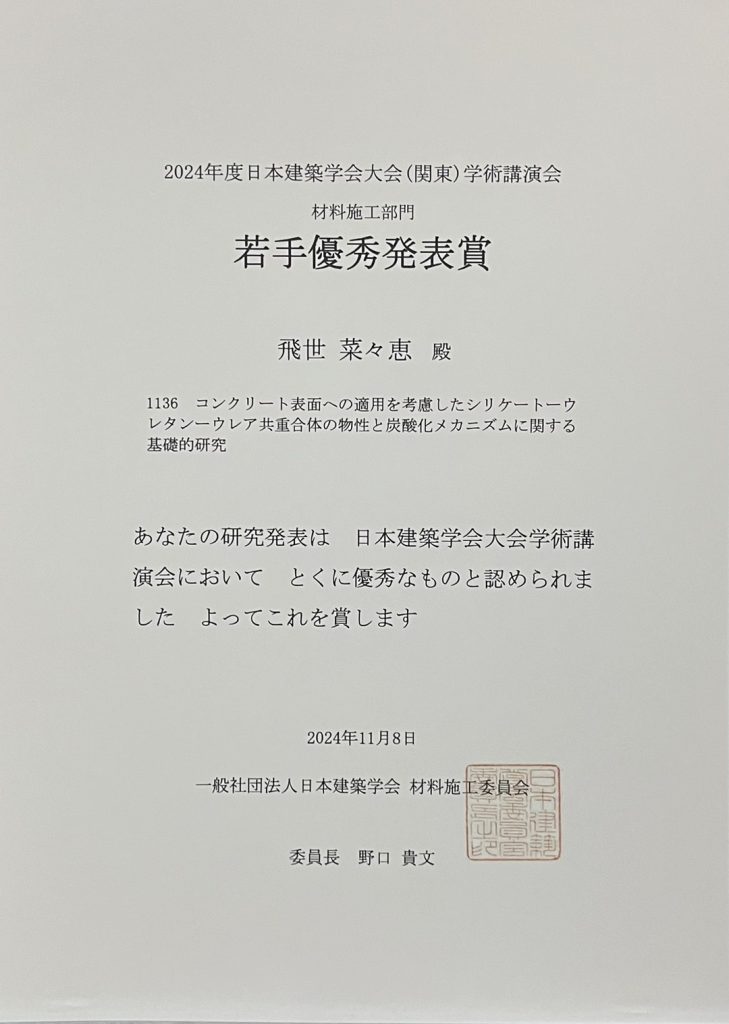
修士1年の飛世菜々恵さんが2024年度日本建築学会大会(関東)学術講演会 材料施工部門若手優秀発表賞を受賞しました。
飛世さん,おめでとうございます。 コンクリート表面への適用を考慮したシリケートーウレタンーウレア共重合体の物性と炭酸化メカニズムに関する基礎的研究というタイト... -
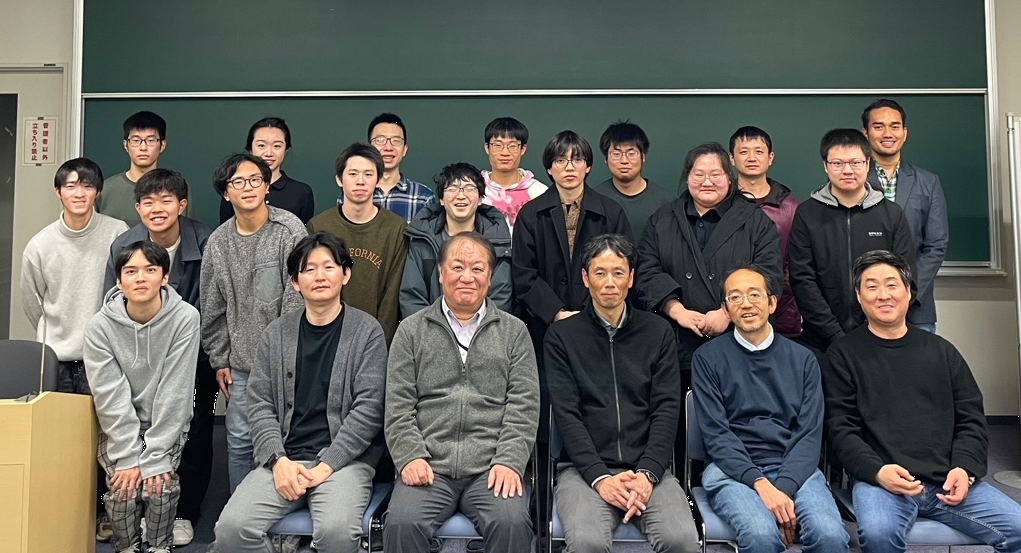
研究交流会(KM Meeting@Hokkaido):北見工大に参加してきました
11月30日(土)に,北見工業大学,室蘭工業大学,北大の研究交流会(KM Meeting@Hokkaido)を開催,参加させていただきました。北大からは学生の趙君が発表しました。... -
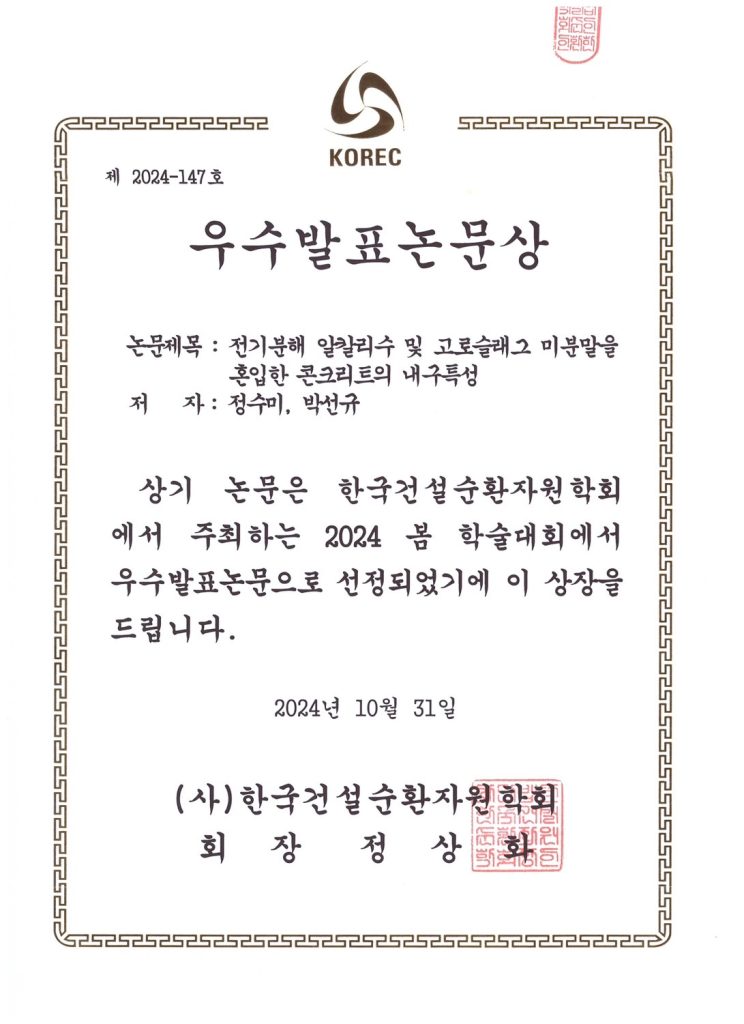
博士1年のJeong SumiさんがKorean Recovered Resources InstituteからOutstanding Presentation Paper Awardを受賞しました
Jeong Sumiさん,おめでとうございます。 受賞日:October 31, 2024 -
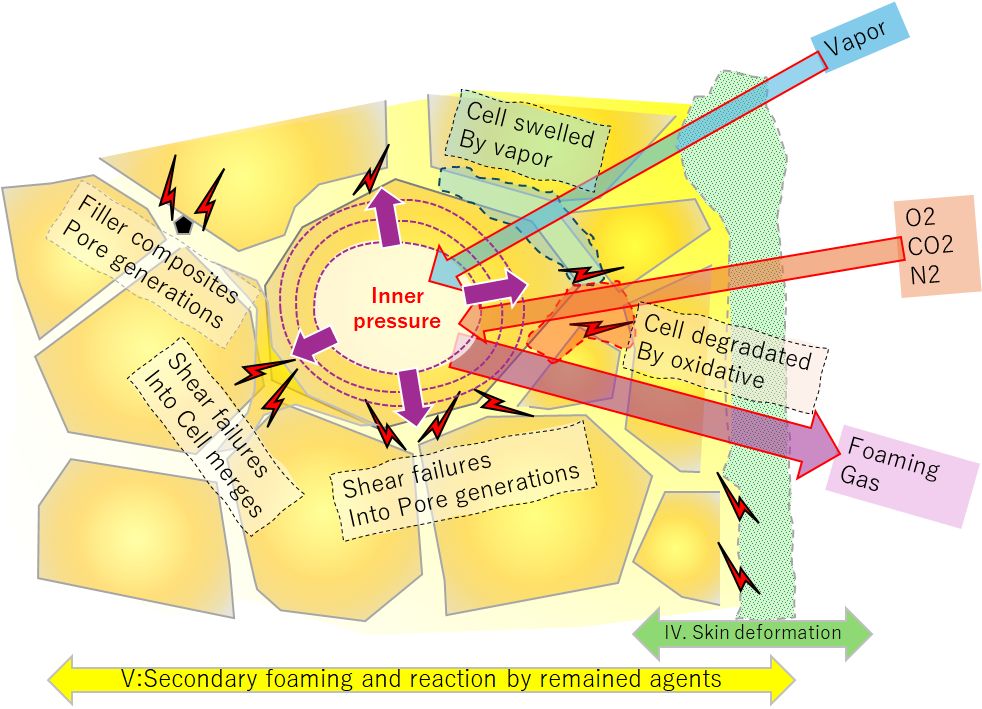
Schematic graphs for understanding foamed plastics/fiber insulation’s degradation mechanisms
Introduction Architectured Materials Laboratory at the Faculty of Engineering, Hokkaido University, is one of the few(if not the only) laboratories that is r... -
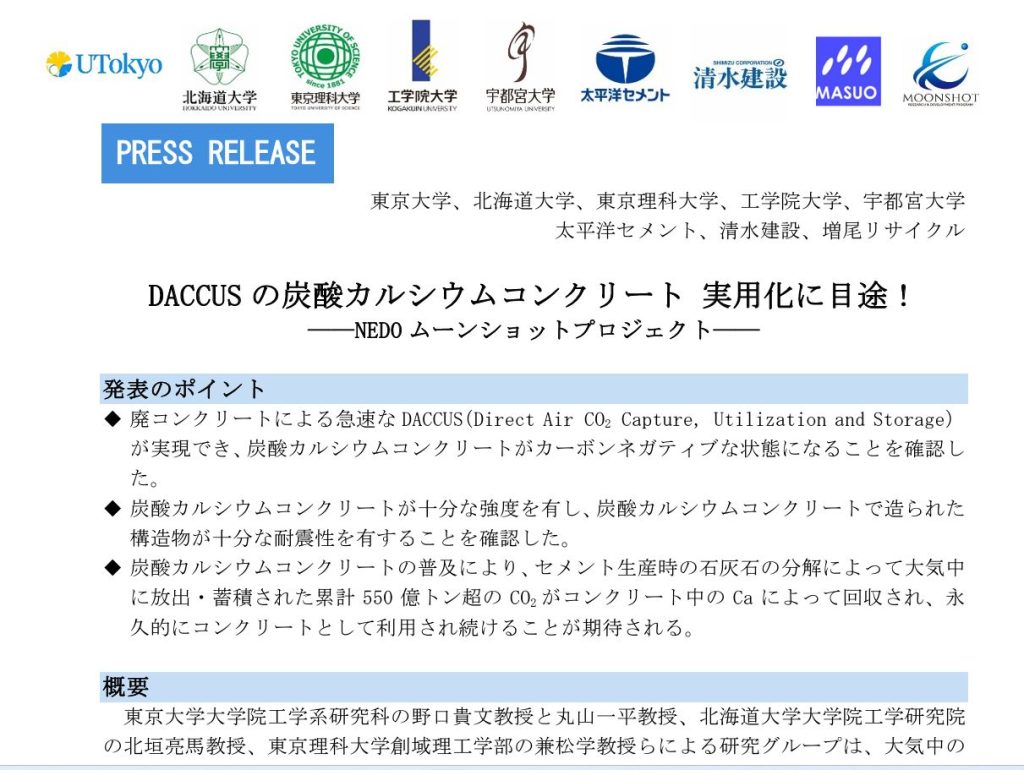
北垣教授,呉助教らが参画するNEDOムーンショット「C4Sプロジェクト」に関して,DACCUSの炭酸カルシウムコンクリート 実用化に目途! ――NEDOムーンショットプロジェクト――が報道発表されました。
北垣教授,呉助教らが参画するNEDOムーンショット「C4Sプロジェクト」に関して,DACCUSの炭酸カルシウムコンクリート 実用化に目途! ――NEDOムーンショットプロジェクト... -
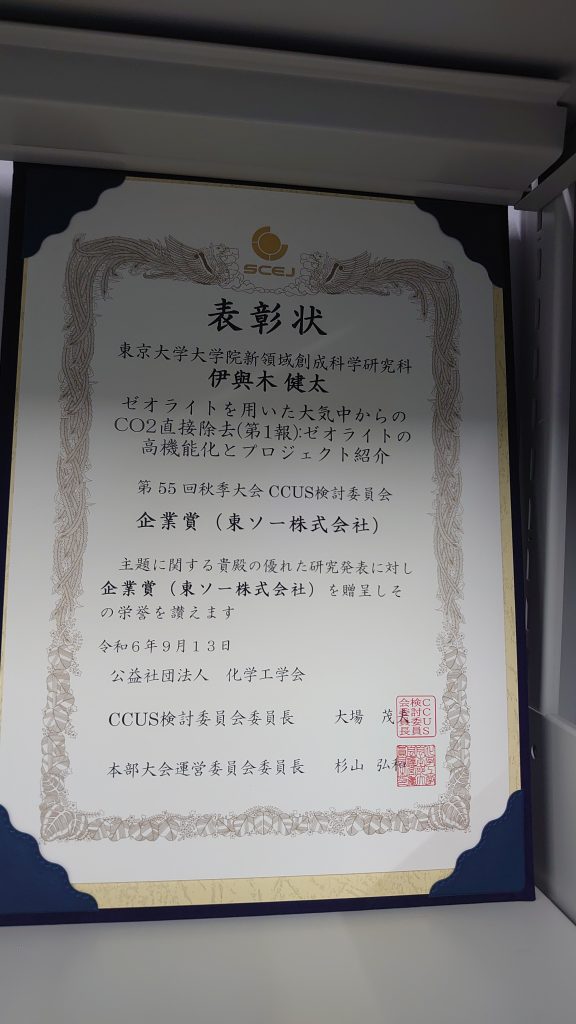
化学工学会・CCUS検討委員会シンポジウムにて発表賞(企業賞(東ソー賞))をいただきました。
現在,本研究室で進めているゼオライトを扱ったDACプロセスの評価ということで,いただきました。本研究室はこの研究のCO2固定・送風プロセスを担当しています。 ゼオラ... -
発泡プラスチック系,繊維系断熱材の材料学的変化のメカニズムを理解するためのグラフ
はじめに 北大工学部建築材料学研究室は,建築材料として発泡プラスチック系断熱材の耐久性・長期性能を材料化学的な観点から研究している数少ない?研究室かもしれませ... -
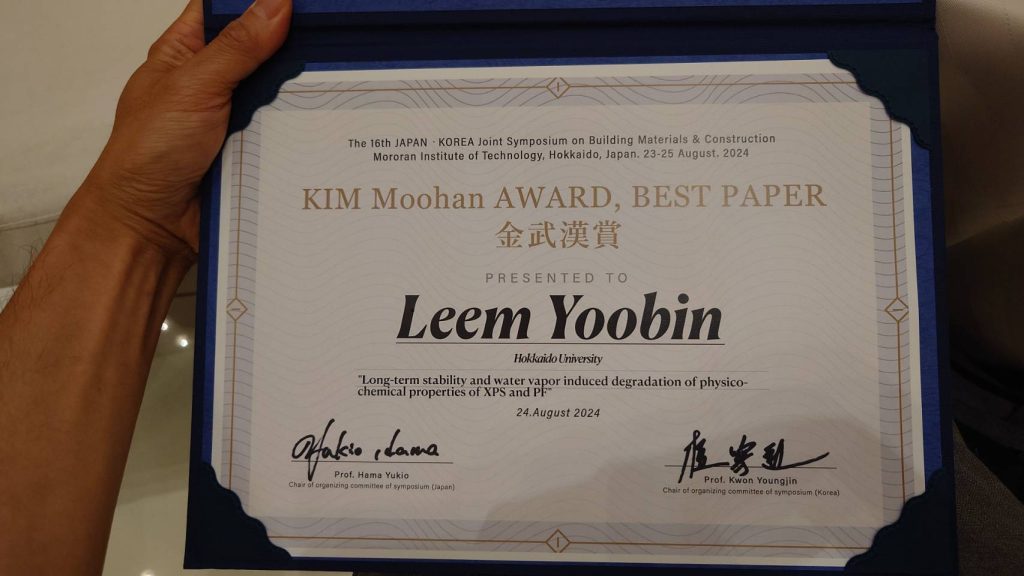
博士3年の任 裕彬(イム ユビン)君が,16th Japan-Korea Joint Symposium on Building and Construction MaterialsでBest paper award(KIM Moohan Award)をいただきました
任くん,なんか,いつもおめでとうございます。どこまで発プラ断熱材の耐久性・長期性能変化のメカニズムが,君のD論で明らかになるんだろうなぁ。。。 -
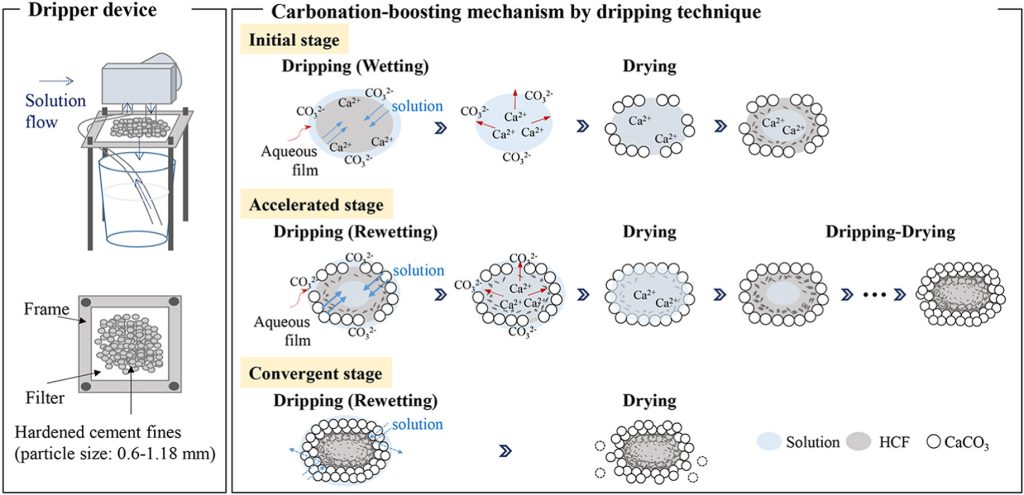
A boosting method for fixing CO2 from ambient air to cementitious material by Assistant Prof. OH and Prof. Kitagaki has been published in Cement and Concrete Composite.
Assisstant Prof. OH and Prof. Kitagaki has been published a pepar on a boosting method for fixation of atmospheric low-concentration CO2 to cementitious mate... -
呉先生,北垣先生の大気の低濃度CO2を高速にセメント系材料に固定する手法に関する論文がCement and Concrete Composite公開されました
Dripping method for boosting CO2 fixation from ambient air 呉先生,北垣先生による,大気の低濃度CO2を高速にセメント系材料に固定する手法に関する論文がCement an... -
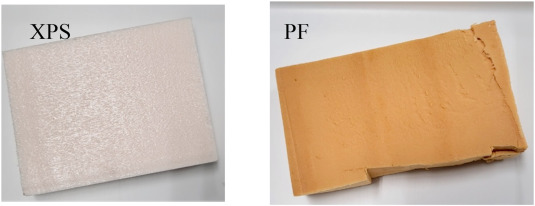
Mr.Leem(our 3rd-year p.h.D candidate)’s paper, “Long-term stability and water vapor induced degradation of physico-chemical properties of XPS and PF,” was published in Developments in the Built Environment.
Physicochemical changes due to water vapor and aging have long been unknown for XPS (extruded polystyrene foam) and PF (phenolic foam), which are typical foa... -
博士3年の任くんの論文「Long-term stability and water vapor induced degradation of physico-chemical properties of XPS and PF」がDevelopments in the Built Environmentに掲載されました
代表的な発泡プラスチック断熱材であるXPS(押出発泡ポリスチレン)とPF(フェノールフォーム)に関して,永らく未解明だった「水蒸気および経時による物理化学的な変化...